.png)
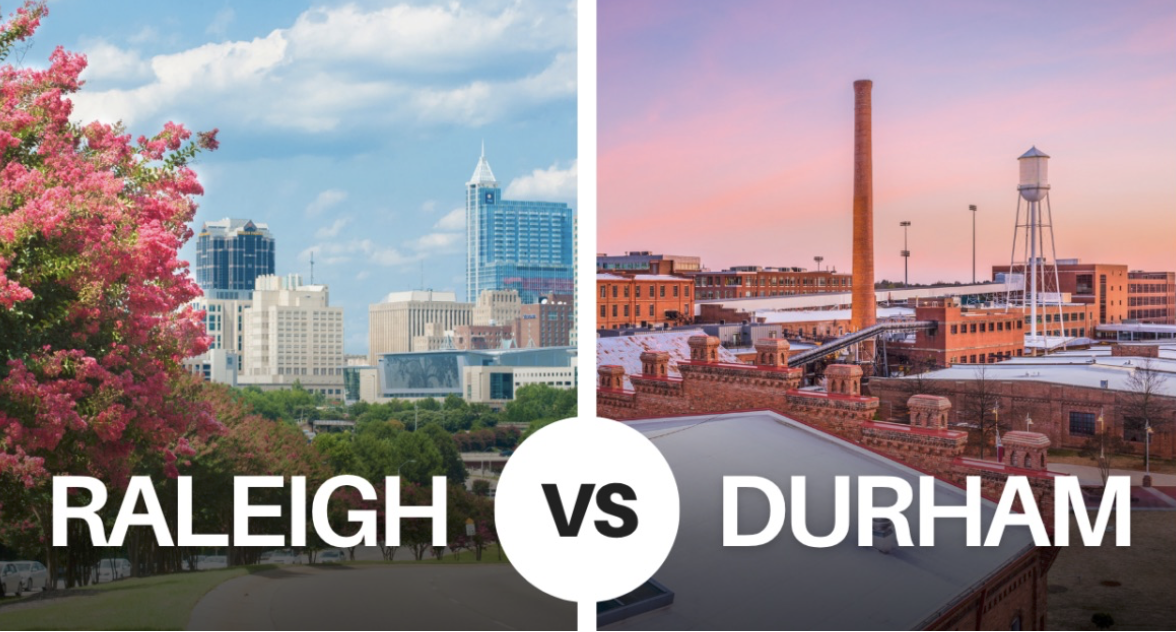
The Raleigh-Durham economy continues to show resilience in 2026, but the story is more nuanced than simply saying the Triangle is “booming.”
A Strong but Uneven Triangle Economy
Raleigh-Cary continues to benefit from a relatively strong labor market, with employment growth spread across several key industries, including construction, healthcare, education, and professional services.
As of May 2026, the Raleigh-Cary area had an unemployment rate of approximately 3.0%, while total nonfarm employment was up about 2.6% from a year earlier. Construction, education and health services, and professional and business services have been among the stronger areas of growth.
A recent PNC analysis also found that Raleigh-Cary’s job growth during the first half of 2026 ranked among the strongest in the country. Importantly, that growth has been spread across multiple industries rather than being driven by a single sector.
That diversity is one of the Triangle’s biggest economic strengths. A broad mix of employers and industries continues to attract businesses, workers, and families to the region.
Durham-Chapel Hill Tells a Slightly Different Story
Durham-Chapel Hill remains a major economic engine for the Triangle, particularly because of its strong ties to healthcare, higher education, research, and life sciences.
However, recent employment data has been more mixed. The Durham-Chapel Hill metro recorded an unemployment rate of approximately 3.2% in May 2026, while total nonfarm employment was 0.2% which is slightly below the previous year, according to the Bureau of Labor Statistics. Manufacturing employment was also down year over year.
The Triangle Is Not One Market
One of the most important things to remember when looking at the Triangle’s economy is that Raleigh, Durham, Chapel Hill, Cary, and the surrounding communities are not all experiencing the same trends.
Each area has its own mix of industries, major employers, housing markets, and economic drivers. For buyers, sellers, and investors, understanding those local differences can be just as important as looking at the broader Triangle numbers.
But the Housing Market Is Changing
This is where things get interesting.
A strong local economy doesn't automatically mean a hot real estate market.
Higher mortgage rates, affordability concerns and increased housing options have created a more balanced market. Buyers have more opportunities to negotiate than they did during the pandemic-era housing boom.
That could mean negotiating the purchase price, asking for seller concessions or exploring a rate buydown.
What Does This Mean?
For buyers, you don't necessarily have to wait for the “perfect” market. The right opportunity may be a home that fits your budget and gives you favorable terms today.
For sellers, pricing and preparation matter more than ever. Buyers have choices, so understanding your competition is critical.
And for investors, the bigger picture matters: employment, population growth, affordability and local economic trends can tell you much more than a single headline.
The Raleigh-Durham economy isn't moving in just one direction.
The Triangle is changing. The question isn't whether there are opportunities; it's whether you know where to find them and when to pursue them.